---
title: "Catalog"
description: "A Sri Lankan lexicon and guide to cultural heritage items, traditions, food, and more."
icon: "📖"
color: "var(--blue)"
---
# Aasiya // ආසියා
Sinhalese word for the _Ace_ in playing cards.
## Origin
Likely originated from the Dutch word _aas_ (meaning ace).
## Sources
- [Wiktionary: aas](https://en.wiktionary.org/wiki/aas#Dutch)
---
# Achcharu // අච්චාරු // அச்சாறு
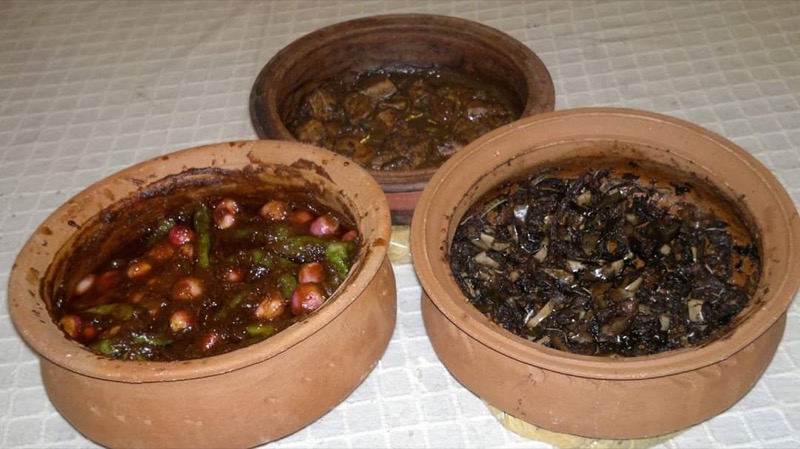 A tangy, spicy-sweet traditional Sri Lankan pickle made with shallots, green chilies, dates, carrots, and ground mustard seed pickled in vinegar.
## Origin
While the root traces to Persian _āchār_, the distinctive Sri Lankan preparation style ("Malay Achcharu") was introduced and popularized by the Sri Lankan Malay community from the Malay/Indonesian word _acar_.
## Sources
- [Wikipedia: Acar](https://en.wikipedia.org/wiki/Acar)
---
# Advakaat // අද්වකාත්
Historical Sinhalese legal term for an _advocate_ or _lawyer_.
## Origin
Likely originated from the Dutch word _advocaat_ (meaning lawyer or advocate).
## Sources
- [Wiktionary: advocaat](https://en.wiktionary.org/wiki/advocaat#Dutch)
---
# Alavanguva // අලවංගුව // அலவாங்கு
Sinhalese word for an iron _crowbar_ or _lever_.
## Origin
Likely originated from the Portuguese word _alavanca_ (meaning lever or crowbar).
## Sources
- [Wiktionary: alavanca](https://en.wiktionary.org/wiki/alavanca#Portuguese)
---
# Almariya // අල්මාරිය // அல்மாரி
Sinhalese word for _wardrobe_ or _cupboard_.
## Origin
Likely originated from the Portuguese word _armário_.
## Sources
- [Wiktionary: armário](https://en.wiktionary.org/wiki/arm%C3%A1rio#Portuguese)
---
# Alpenettiya // අල්පෙනෙත්තිය // அல்பினெத்து
Sinhalese word for _pin_ or _safety pin_.
## Origin
Likely originated from the Portuguese word _alfinete_ (meaning pin).
## Sources
- [Wiktionary: alfinete](https://en.wiktionary.org/wiki/alfinete#Portuguese)
---
# Alugosuva // අලුගෝසුවා // அலுகோசு
Sinhalese word for _executioner_ or _hangman_.
## Origin
Likely originated from the Portuguese word _algoz_ (meaning executioner).
## Sources
- [Wiktionary: algoz](https://en.wiktionary.org/wiki/algoz#Portuguese)
---
# Aluwa // අලුවා // அல்வா
A tangy, spicy-sweet traditional Sri Lankan pickle made with shallots, green chilies, dates, carrots, and ground mustard seed pickled in vinegar.
## Origin
While the root traces to Persian _āchār_, the distinctive Sri Lankan preparation style ("Malay Achcharu") was introduced and popularized by the Sri Lankan Malay community from the Malay/Indonesian word _acar_.
## Sources
- [Wikipedia: Acar](https://en.wikipedia.org/wiki/Acar)
---
# Advakaat // අද්වකාත්
Historical Sinhalese legal term for an _advocate_ or _lawyer_.
## Origin
Likely originated from the Dutch word _advocaat_ (meaning lawyer or advocate).
## Sources
- [Wiktionary: advocaat](https://en.wiktionary.org/wiki/advocaat#Dutch)
---
# Alavanguva // අලවංගුව // அலவாங்கு
Sinhalese word for an iron _crowbar_ or _lever_.
## Origin
Likely originated from the Portuguese word _alavanca_ (meaning lever or crowbar).
## Sources
- [Wiktionary: alavanca](https://en.wiktionary.org/wiki/alavanca#Portuguese)
---
# Almariya // අල්මාරිය // அல்மாரி
Sinhalese word for _wardrobe_ or _cupboard_.
## Origin
Likely originated from the Portuguese word _armário_.
## Sources
- [Wiktionary: armário](https://en.wiktionary.org/wiki/arm%C3%A1rio#Portuguese)
---
# Alpenettiya // අල්පෙනෙත්තිය // அல்பினெத்து
Sinhalese word for _pin_ or _safety pin_.
## Origin
Likely originated from the Portuguese word _alfinete_ (meaning pin).
## Sources
- [Wiktionary: alfinete](https://en.wiktionary.org/wiki/alfinete#Portuguese)
---
# Alugosuva // අලුගෝසුවා // அலுகோசு
Sinhalese word for _executioner_ or _hangman_.
## Origin
Likely originated from the Portuguese word _algoz_ (meaning executioner).
## Sources
- [Wiktionary: algoz](https://en.wiktionary.org/wiki/algoz#Portuguese)
---
# Aluwa // අලුවා // அல்வா
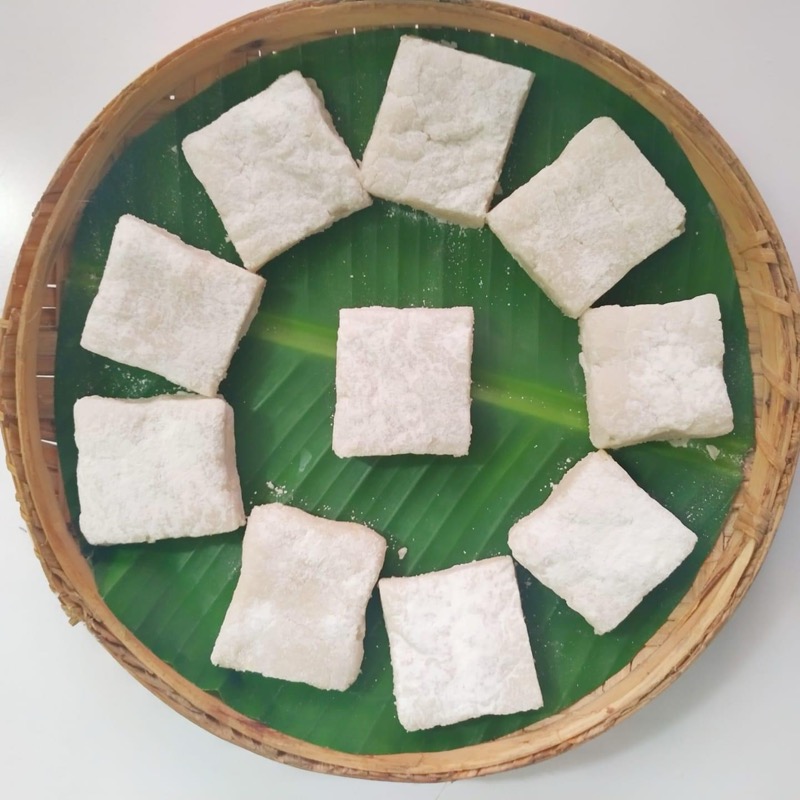 A diamond-shaped traditional Sri Lankan sweetmeat made of roasted rice flour, kithul treacle, coconut milk, and spices, commonly served during the New Year.
## Origin
Derived from the Arabic word _halwa_ (حلوى, meaning sweet confection), introduced through early Indian Ocean trade.
## Sources
- [Wikipedia: Aluwa](https://en.wikipedia.org/wiki/Aluwa)
---
# Annasi // අන්නාසි // அன்னாசி
Sinhalese word for _pineapple_.
## Origin
Introduced to Sri Lanka by Portuguese traders from the Americas, derived from the Portuguese word _ananás_ (originally from Tupi _naná_).
## Sources
- [Wiktionary: ananás](https://en.wiktionary.org/wiki/anan%C3%A1s#Portuguese)
---
# Appel // අපේල්
Sinhalese legal term for a judicial _appeal_.
## Origin
Likely originated from the Dutch word _appèl_ (meaning legal appeal).
## Sources
- [Wiktionary: appèl](https://en.wiktionary.org/wiki/app%C3%A8l#Dutch)
---
# Arakku // අරක්කු // அரக்கு
Traditional Sri Lankan distilled spirit produced from the fermented sap of unopened coconut palm flowers.
## Origin
Derived from the Arabic word _'araq_ (عرق, meaning juice, sweat, or distilled spirit), transmitted via early Arab traders.
## Sources
- [Wikipedia: Arrack](https://en.wikipedia.org/wiki/Arrack)
---
# Artapal // අර්තාපල්
Formal Sinhalese word for _potato_.
## Origin
Likely originated from the Dutch word _aardappel_ (meaning potato, literally "earth apple").
## Sources
- [Wiktionary: aardappel](https://en.wiktionary.org/wiki/aardappel#Dutch)
---
# Baalkaya // බාලකය
Sinhalese word for a _wooden beam_ or _rafter_ in construction.
## Origin
Likely originated from the Dutch word _balk_ (meaning beam or rafter).
## Sources
- [Wiktionary: balk](https://en.wiktionary.org/wiki/balk#Dutch)
---
# Baas // බාස් // பாஸ்
Sinhalese and Sri Lankan Tamil title for a _master craftsman_, _mason_, or _carpenter_.
## Origin
Likely originated from the Dutch word _baas_ (meaning boss or master).
## Sources
- [Wiktionary: baas](https://en.wiktionary.org/wiki/baas#Dutch)
---
# Baila // බයිලා // பைலா
The vibrant, upbeat Sri Lankan folk and dance music genre characterized by its signature 6/8 acoustic rhythm.
## Origin
Originated from the Portuguese word _bailar_ (to dance) or _baile_ (dance), introduced by Portuguese settlers and African soldiers (Kaffirs) in the 16th century.
## Sources
- [Wikipedia: Baila](https://en.wikipedia.org/wiki/Baila)
---
# Baiskope // බයිස්කෝප් // பயஸ்கோப்பு
Colloquial Sinhalese and Sri Lankan Tamil word for _cinema_ or _movie_.
## Origin
Likely originated from the Dutch word _bioscoop_ (meaning cinema or movie theater).
## Sources
- [Wiktionary: bioscoop](https://en.wiktionary.org/wiki/bioscoop#Dutch)
---
# Bakkiya // බක්කිය
Sinhalese word for a _small trough_, _tub_, or _box_.
## Origin
Likely originated from the Dutch word _bakkie_ or _bakje_ (small tub or container).
## Sources
- [Wiktionary: bak](https://en.wiktionary.org/wiki/bak#Dutch)
---
# Baldiya // බාල්දිය
Sinhalese word for _bucket_.
## Origin
Likely originated from the Portuguese word _balde_.
## Sources
- [Wiktionary: balde](https://en.wiktionary.org/wiki/balde#Portuguese)
---
# Bandesiya // බන්දේසිය
Sinhalese word for _tray_.
## Origin
Likely originated from the Portuguese word _bandeja_.
## Sources
- [Wiktionary: bandeja](https://en.wiktionary.org/wiki/bandeja#Portuguese)
---
# Bankuva // බංකුව
Sinhalese word for _bench_.
## Origin
Likely originated from the Portuguese word _banco_.
## Sources
- [Wiktionary: banco](https://en.wiktionary.org/wiki/banco#Portuguese)
---
# Bankuva // බැංකුව
Sinhalese word for _bank_.
## Origin
Likely originated from the Portuguese word _banco_.
## Sources
- [Wiktionary: banco](https://en.wiktionary.org/wiki/banco#Portuguese)
---
# Bastama // බස්තම
Sinhalese word for a _walking stick_.
## Origin
Likely originated from the Portuguese word _bastão_ (meaning cane or staff).
## Sources
- [Wiktionary: bastão](https://en.wiktionary.org/wiki/bast%C3%A3o#Portuguese)
---
# Batik // බතික් // பாதிக்
The wax-resist fabric dyeing technique that has developed into a flourishing Sri Lankan craft and fashion industry.
## Origin
Introduced to Sri Lanka from Java and the Malay archipelago during the Dutch colonial era, derived from the Javanese word _batik_.
## Sources
- [Wikipedia: Batik](https://en.wikipedia.org/wiki/Batik)
---
# Bebadda // බේබද්දා
Sinhalese word for a _habitual drunkard_.
## Origin
Likely originated from the Portuguese word _bêbado_ (meaning drunk or drunkard).
## Sources
- [Wiktionary: bêbado](https://en.wiktionary.org/wiki/b%C3%AAbado#Portuguese)
---
# Beira Lake // බේරෙ වැව // பேரே ஏரி
A prominent lake in Colombo.
## Origin
Though competing theories for the name exist, one possibility is that it's name derives from the Portuguese word _beira_ which means an edge or a border.
## Sources
- [Wiktionary: beira](https://en.wiktionary.org/wiki/beira#Portuguese)
---
# Bibikkan // බිබික්කන් // பிபிக்கன்
A diamond-shaped traditional Sri Lankan sweetmeat made of roasted rice flour, kithul treacle, coconut milk, and spices, commonly served during the New Year.
## Origin
Derived from the Arabic word _halwa_ (حلوى, meaning sweet confection), introduced through early Indian Ocean trade.
## Sources
- [Wikipedia: Aluwa](https://en.wikipedia.org/wiki/Aluwa)
---
# Annasi // අන්නාසි // அன்னாசி
Sinhalese word for _pineapple_.
## Origin
Introduced to Sri Lanka by Portuguese traders from the Americas, derived from the Portuguese word _ananás_ (originally from Tupi _naná_).
## Sources
- [Wiktionary: ananás](https://en.wiktionary.org/wiki/anan%C3%A1s#Portuguese)
---
# Appel // අපේල්
Sinhalese legal term for a judicial _appeal_.
## Origin
Likely originated from the Dutch word _appèl_ (meaning legal appeal).
## Sources
- [Wiktionary: appèl](https://en.wiktionary.org/wiki/app%C3%A8l#Dutch)
---
# Arakku // අරක්කු // அரக்கு
Traditional Sri Lankan distilled spirit produced from the fermented sap of unopened coconut palm flowers.
## Origin
Derived from the Arabic word _'araq_ (عرق, meaning juice, sweat, or distilled spirit), transmitted via early Arab traders.
## Sources
- [Wikipedia: Arrack](https://en.wikipedia.org/wiki/Arrack)
---
# Artapal // අර්තාපල්
Formal Sinhalese word for _potato_.
## Origin
Likely originated from the Dutch word _aardappel_ (meaning potato, literally "earth apple").
## Sources
- [Wiktionary: aardappel](https://en.wiktionary.org/wiki/aardappel#Dutch)
---
# Baalkaya // බාලකය
Sinhalese word for a _wooden beam_ or _rafter_ in construction.
## Origin
Likely originated from the Dutch word _balk_ (meaning beam or rafter).
## Sources
- [Wiktionary: balk](https://en.wiktionary.org/wiki/balk#Dutch)
---
# Baas // බාස් // பாஸ்
Sinhalese and Sri Lankan Tamil title for a _master craftsman_, _mason_, or _carpenter_.
## Origin
Likely originated from the Dutch word _baas_ (meaning boss or master).
## Sources
- [Wiktionary: baas](https://en.wiktionary.org/wiki/baas#Dutch)
---
# Baila // බයිලා // பைலா
The vibrant, upbeat Sri Lankan folk and dance music genre characterized by its signature 6/8 acoustic rhythm.
## Origin
Originated from the Portuguese word _bailar_ (to dance) or _baile_ (dance), introduced by Portuguese settlers and African soldiers (Kaffirs) in the 16th century.
## Sources
- [Wikipedia: Baila](https://en.wikipedia.org/wiki/Baila)
---
# Baiskope // බයිස්කෝප් // பயஸ்கோப்பு
Colloquial Sinhalese and Sri Lankan Tamil word for _cinema_ or _movie_.
## Origin
Likely originated from the Dutch word _bioscoop_ (meaning cinema or movie theater).
## Sources
- [Wiktionary: bioscoop](https://en.wiktionary.org/wiki/bioscoop#Dutch)
---
# Bakkiya // බක්කිය
Sinhalese word for a _small trough_, _tub_, or _box_.
## Origin
Likely originated from the Dutch word _bakkie_ or _bakje_ (small tub or container).
## Sources
- [Wiktionary: bak](https://en.wiktionary.org/wiki/bak#Dutch)
---
# Baldiya // බාල්දිය
Sinhalese word for _bucket_.
## Origin
Likely originated from the Portuguese word _balde_.
## Sources
- [Wiktionary: balde](https://en.wiktionary.org/wiki/balde#Portuguese)
---
# Bandesiya // බන්දේසිය
Sinhalese word for _tray_.
## Origin
Likely originated from the Portuguese word _bandeja_.
## Sources
- [Wiktionary: bandeja](https://en.wiktionary.org/wiki/bandeja#Portuguese)
---
# Bankuva // බංකුව
Sinhalese word for _bench_.
## Origin
Likely originated from the Portuguese word _banco_.
## Sources
- [Wiktionary: banco](https://en.wiktionary.org/wiki/banco#Portuguese)
---
# Bankuva // බැංකුව
Sinhalese word for _bank_.
## Origin
Likely originated from the Portuguese word _banco_.
## Sources
- [Wiktionary: banco](https://en.wiktionary.org/wiki/banco#Portuguese)
---
# Bastama // බස්තම
Sinhalese word for a _walking stick_.
## Origin
Likely originated from the Portuguese word _bastão_ (meaning cane or staff).
## Sources
- [Wiktionary: bastão](https://en.wiktionary.org/wiki/bast%C3%A3o#Portuguese)
---
# Batik // බතික් // பாதிக்
The wax-resist fabric dyeing technique that has developed into a flourishing Sri Lankan craft and fashion industry.
## Origin
Introduced to Sri Lanka from Java and the Malay archipelago during the Dutch colonial era, derived from the Javanese word _batik_.
## Sources
- [Wikipedia: Batik](https://en.wikipedia.org/wiki/Batik)
---
# Bebadda // බේබද්දා
Sinhalese word for a _habitual drunkard_.
## Origin
Likely originated from the Portuguese word _bêbado_ (meaning drunk or drunkard).
## Sources
- [Wiktionary: bêbado](https://en.wiktionary.org/wiki/b%C3%AAbado#Portuguese)
---
# Beira Lake // බේරෙ වැව // பேரே ஏரி
A prominent lake in Colombo.
## Origin
Though competing theories for the name exist, one possibility is that it's name derives from the Portuguese word _beira_ which means an edge or a border.
## Sources
- [Wiktionary: beira](https://en.wiktionary.org/wiki/beira#Portuguese)
---
# Bibikkan // බිබික්කන් // பிபிக்கன்
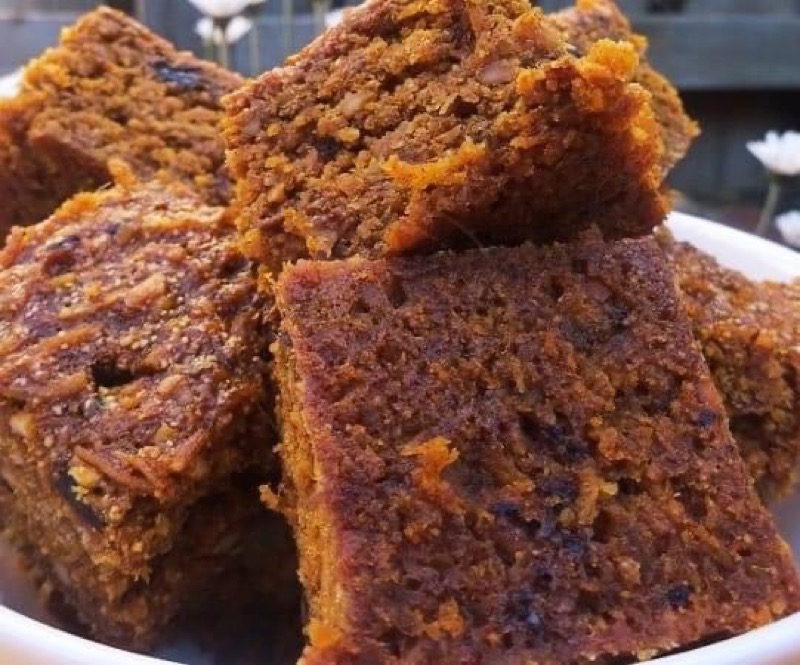 A dark, moist, and aromatic Sri Lankan coconut cake made with shredded coconut, roasted semolina, kithul treacle, cashews, and spices.
## Origin
A legacy of the Sri Lankan Malay community, evolved from the traditional Indonesian and Malay cake _kue bingka_ or _bikang_.
## Sources
- [Wikipedia: Bibikkan](https://en.wikipedia.org/wiki/Bibikkan)
---
# Boakkuwa // බෝක්කුව
Sinhalese word for a _culvert_ or _archway_.
## Origin
Likely originated from the Dutch word _boog_ (meaning arch or bow).
## Sources
- [Wiktionary: boog](https://en.wiktionary.org/wiki/boog#Dutch)
---
# Bonikka // බෝනික්කා
Sinhalese word for _doll_.
## Origin
Likely originated from the Portuguese word _boneca_ (meaning doll).
## Sources
- [Wiktionary: boneca](https://en.wiktionary.org/wiki/boneca#Portuguese)
---
# Boodalaya // බූදලය
Sinhalese word for an _estate_ or _inherited property_.
## Origin
Likely originated from the Dutch word _boedel_ (meaning estate or assets).
## Sources
- [Wiktionary: boedel](https://en.wiktionary.org/wiki/boedel#Dutch)
---
# Booruwa // බූරුවා
Sinhalese word for _donkey_, as well as the _Jack_ (or Knave) in playing cards and a popular traditional Sri Lankan card game.
## Origin
For the animal, likely originated from the Portuguese word _burro_ (donkey). In playing cards, the Jack originated from the Dutch word _boer_ (meaning farmer or Jack in cards, alongside _Heer_, _Vrouw_, and _Aas_), which phonetically merged with the existing Sinhala word. The traditional wagering card game also shares historical roots with the Iberian card game _burro_.
## Sources
- [Wiktionary: burro](https://en.wiktionary.org/wiki/burro#Portuguese)
- [Wiktionary: boer](https://en.wiktionary.org/wiki/boer#Dutch)
---
# Bottama // බොත්තම
Sinhalese word for _button_ (on garments).
## Origin
Likely originated from the Portuguese word _botão_ (meaning button).
## Sources
- [Wiktionary: botão](https://en.wiktionary.org/wiki/bot%C3%A3o#Portuguese)
---
# Ceylon Tea
Ceylon Tea is globally renowned for its quality, flavor, and rich golden hue. It is grown across the central highlands of Sri Lanka, formerly known as Ceylon.
## Origin
In the mid-19th century, Sri Lanka was a major coffee producer. However, in the late 1860s, a devastating coffee rust fungus wiped out the entire coffee industry. In 1867, a Scotsman named James Taylor planted the first commercial tea seeds at the Loolecondera estate in Kandy, marking the birth of the Ceylon Tea industry.
The island's mountainous geography, volcanic soil, and varied elevations created distinct microclimates, producing distinct tea profiles ranging from the light, floral Nuwara Eliya teas to the full-bodied, malty Ruhuna teas.
## Sources
- [Wikipedia: James Taylor (planter)](https://en.wikipedia.org/wiki/James_Taylor_(planter))
- [Ceylon Tea Museum: History of Ceylon Tea](https://www.ceylonteamuseum.com/history-of-ceylon-tea.html)
---
# Chinese Rolls // චයිනීස් රෝල්ස් // ரோல்ස්
A dark, moist, and aromatic Sri Lankan coconut cake made with shredded coconut, roasted semolina, kithul treacle, cashews, and spices.
## Origin
A legacy of the Sri Lankan Malay community, evolved from the traditional Indonesian and Malay cake _kue bingka_ or _bikang_.
## Sources
- [Wikipedia: Bibikkan](https://en.wikipedia.org/wiki/Bibikkan)
---
# Boakkuwa // බෝක්කුව
Sinhalese word for a _culvert_ or _archway_.
## Origin
Likely originated from the Dutch word _boog_ (meaning arch or bow).
## Sources
- [Wiktionary: boog](https://en.wiktionary.org/wiki/boog#Dutch)
---
# Bonikka // බෝනික්කා
Sinhalese word for _doll_.
## Origin
Likely originated from the Portuguese word _boneca_ (meaning doll).
## Sources
- [Wiktionary: boneca](https://en.wiktionary.org/wiki/boneca#Portuguese)
---
# Boodalaya // බූදලය
Sinhalese word for an _estate_ or _inherited property_.
## Origin
Likely originated from the Dutch word _boedel_ (meaning estate or assets).
## Sources
- [Wiktionary: boedel](https://en.wiktionary.org/wiki/boedel#Dutch)
---
# Booruwa // බූරුවා
Sinhalese word for _donkey_, as well as the _Jack_ (or Knave) in playing cards and a popular traditional Sri Lankan card game.
## Origin
For the animal, likely originated from the Portuguese word _burro_ (donkey). In playing cards, the Jack originated from the Dutch word _boer_ (meaning farmer or Jack in cards, alongside _Heer_, _Vrouw_, and _Aas_), which phonetically merged with the existing Sinhala word. The traditional wagering card game also shares historical roots with the Iberian card game _burro_.
## Sources
- [Wiktionary: burro](https://en.wiktionary.org/wiki/burro#Portuguese)
- [Wiktionary: boer](https://en.wiktionary.org/wiki/boer#Dutch)
---
# Bottama // බොත්තම
Sinhalese word for _button_ (on garments).
## Origin
Likely originated from the Portuguese word _botão_ (meaning button).
## Sources
- [Wiktionary: botão](https://en.wiktionary.org/wiki/bot%C3%A3o#Portuguese)
---
# Ceylon Tea
Ceylon Tea is globally renowned for its quality, flavor, and rich golden hue. It is grown across the central highlands of Sri Lanka, formerly known as Ceylon.
## Origin
In the mid-19th century, Sri Lanka was a major coffee producer. However, in the late 1860s, a devastating coffee rust fungus wiped out the entire coffee industry. In 1867, a Scotsman named James Taylor planted the first commercial tea seeds at the Loolecondera estate in Kandy, marking the birth of the Ceylon Tea industry.
The island's mountainous geography, volcanic soil, and varied elevations created distinct microclimates, producing distinct tea profiles ranging from the light, floral Nuwara Eliya teas to the full-bodied, malty Ruhuna teas.
## Sources
- [Wikipedia: James Taylor (planter)](https://en.wikipedia.org/wiki/James_Taylor_(planter))
- [Ceylon Tea Museum: History of Ceylon Tea](https://www.ceylonteamuseum.com/history-of-ceylon-tea.html)
---
# Chinese Rolls // චයිනීස් රෝල්ස් // ரோல்ස්
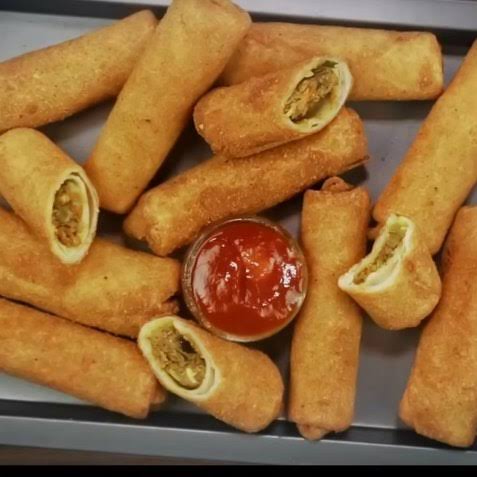 A beloved Sri Lankan bakery "short-eat" consisting of spicy fish, meat, or vegetable filling wrapped in a thin pancake, breadcrumbed, and deep-fried until crisp.
## Origin
Some believe that Sri Lankan Chinese rolls were inspired by Chinese spring rolls. However, their consistency appears to be nearly identical to the Indonesian _kroket kentang_, which itself may be derived from the Dutch _kroket_.
## Sources
- [Wikipedia: Croquette](https://en.wikipedia.org/wiki/Croquette)
---
# Dodol // දොදොල් // தொடோல்
A beloved Sri Lankan bakery "short-eat" consisting of spicy fish, meat, or vegetable filling wrapped in a thin pancake, breadcrumbed, and deep-fried until crisp.
## Origin
Some believe that Sri Lankan Chinese rolls were inspired by Chinese spring rolls. However, their consistency appears to be nearly identical to the Indonesian _kroket kentang_, which itself may be derived from the Dutch _kroket_.
## Sources
- [Wikipedia: Croquette](https://en.wikipedia.org/wiki/Croquette)
---
# Dodol // දොදොල් // தொடோல்
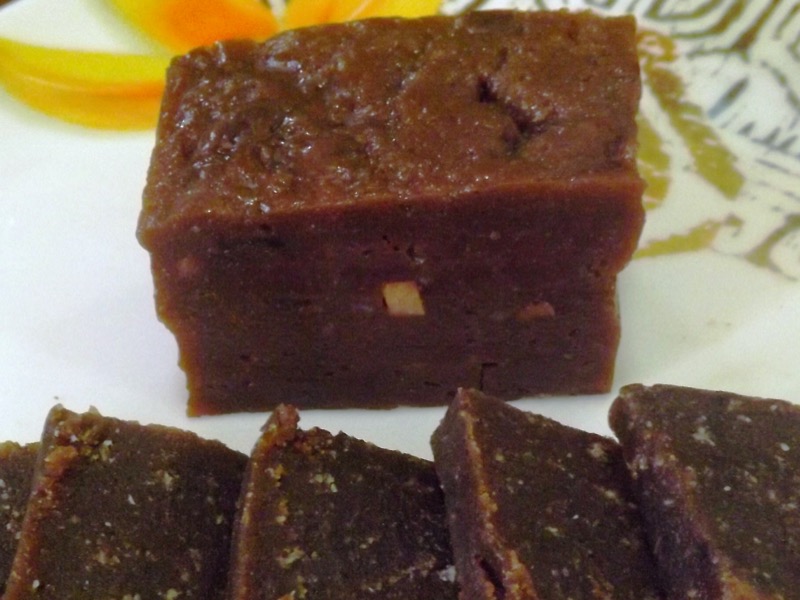 A rich, dark, and chewy sweetmeat (commonly called _Kalu Dodol_) made by slowly simmering coconut milk, kithul jaggery, and rice flour in large cauldrons.
## Origin
Introduced by the Sri Lankan Malay community, originating from the Malay and Indonesian sweet _dodol_.
## Sources
- [Wikipedia: Kalu dodol](https://en.wikipedia.org/wiki/Kalu_dodol)
---
# Dosi // දෝසි // தோசி
Sinhalese word for _crystallized fruit preserves_ or sweets (such as _puhul dosi_ made from ash pumpkin, or ginger preserve).
## Origin
Likely originated from the Portuguese word _doce_ (meaning sweet or candy).
## Sources
- [Wiktionary: doce](https://en.wiktionary.org/wiki/doce#Portuguese)
---
# Durian // දුරියන් // துரியான்
The distinctive, pungent tropical fruit with a spiky exterior and creamy, custard-like flesh.
## Origin
Introduced through Southeast Asian maritime trade, derived from the Malay word _durian_ (from _duri_, meaning thorn).
## Sources
- [Wikipedia: Durian](https://en.wikipedia.org/wiki/Durian)
---
# Garaadiya // ගරාදිය // கராதி
Sinhalese word for _railings_, _balusters_, or _window grills_.
## Origin
Likely originated from the Portuguese word _grade_ (meaning railing or grille).
## Sources
- [Wiktionary: grade](https://en.wiktionary.org/wiki/grade#Portuguese)
---
# Garuppuva // ගෑරුප්පුව
Sinhalese word for _fork_ (cutlery).
## Origin
Likely originated from the Portuguese word _garfo_ (meaning fork).
## Sources
- [Wiktionary: garfo](https://en.wiktionary.org/wiki/garfo#Portuguese)
---
# Gova // ගෝවා // கோவா
Sinhalese word for _cabbage_.
## Origin
Likely originated from the Portuguese word _couve_ (meaning cabbage or kale).
## Sources
- [Wiktionary: couve](https://en.wiktionary.org/wiki/couve#Portuguese)
---
# Haaratha // හාරත
Sinhalese word for the _Hearts_ suit in playing cards.
## Origin
Likely originated from the Dutch word _harten_ (meaning hearts).
## Sources
- [Wiktionary: hart](https://en.wiktionary.org/wiki/hart#Dutch)
---
# Hera // හේරා
Sinhalese word for the _King_ in playing cards.
## Origin
Likely originated from the Dutch word _heer_ (meaning lord, master, or King in cards).
## Sources
- [Wiktionary: heer](https://en.wiktionary.org/wiki/heer#Dutch)
---
# Horawa // හෝරාව
Sinhalese word for _hour_.
## Origin
Likely originated from the Portuguese word _hora_.
## Sources
- [Wiktionary: hora](https://en.wiktionary.org/wiki/hora#Portuguese)
---
# Iskole // ඉස්කෝලේ
Sinhalese word for _school_.
## Origin
Likely originated from the Portuguese word _escola_.
## Sources
- [Wiktionary: escola](https://en.wiktionary.org/wiki/escola#Portuguese)
---
# Iskoappa // ඉස්කෝප්ප
Sinhalese word for the _Spades_ suit in playing cards.
## Origin
Likely originated from the Dutch word _schoppen_ (meaning spades).
## Sources
- [Wiktionary: schoppen](https://en.wiktionary.org/wiki/schoppen#Dutch)
---
# Istoappuwa // ඉස්තෝප්පුව // இஸ்தோப்பு
Sinhalese word for _verandah_ or _front porch_.
## Origin
Likely originated from the Dutch word _stoep_ (meaning porch or stoop).
## Sources
- [Wiktionary: stoep](https://en.wiktionary.org/wiki/stoep#Dutch)
---
# Janelaya // ජනේලය // ஜன்னல்
Sinhalese word for _window_.
## Origin
Likely originated from the Portuguese word _janela_.
## Sources
- [Wiktionary: janela](https://en.wiktionary.org/wiki/janela#Portuguese)
---
# Kaamaraya // කාමරය // காமரா
Sinhalese word for _room_.
## Origin
Likely originated from the Portuguese word _câmara_ (room or chamber), reinforced by the Dutch word _kamer_.
## Sources
- [Wiktionary: câmara](https://en.wiktionary.org/wiki/c%C3%A2mara#Portuguese)
---
# Kabaya // කබාය // கபாயா
Sinhalese word for an _overcoat_, _jacket_, or _tunic_.
## Origin
Traces ultimately to the Arabic word _qabā'_ (قَبَاء, a long outer tunic), and reinforced during colonial contact by Portuguese _cabaia_.
## Sources
- [Wiktionary: قَبَاء](https://en.wiktionary.org/wiki/%D9%82%D8%A8%D8%A7%D8%A1#Arabic)
---
# Kaju // කජු // கஜு
Sinhalese word for _cashew_.
## Origin
Introduced to Ceylon by Portuguese traders from South America, derived from the Portuguese word _caju_ (from Tupi _acajú_).
## Sources
- [Wiktionary: caju](https://en.wiktionary.org/wiki/caju#Portuguese)
---
# Kakkussiya // කක්කුස්සිය // கக்கூஸ்
Sinhalese word for _toilet_ or _latrine_.
## Origin
Likely originated from the Dutch word _kakhuis_ (compound of _kak_ meaning feces and _huis_ meaning house).
## Sources
- [Wiktionary: kakhuis](https://en.wiktionary.org/wiki/kakhuis#Dutch)
---
# Kalaabara // කලාබර
Sinhalese word for the _Clubs_ suit in playing cards.
## Origin
Likely originated from the Dutch word _klaver_ (meaning clover or clubs in playing cards).
## Sources
- [Wiktionary: klaver](https://en.wiktionary.org/wiki/klaver#Dutch)
---
# Kalabala // කලබල
Sinhalese word for _commotion_, _bustle_, or _hurry_.
## Origin
Often popularly compared to Ottoman Turkish _kalabalık_ (crowd or commotion), linguistic evidence indicates this is an accidental lookalike (false cognate); the term is native to South Asian Indo-European vocabulary.
## Sources
- [Wiktionary: kalabalık](https://en.wiktionary.org/wiki/kalabal%C4%B1k#Turkish)
---
# Kalisama // කලිසම // கலுசான்
Sinhalese word for _trousers_.
## Origin
Likely originated from the Portuguese word _calção_.
## Sources
- [Wiktionary: calção](https://en.wiktionary.org/wiki/cal%C3%A7%C3%A3o#Portuguese)
---
# Kalukuma // කළුකුමා
Sinhalese word for _turkey_ (bird).
## Origin
Likely originated from the Dutch word _kalkoen_ (meaning turkey, short for Calcutta-hen).
## Sources
- [Wiktionary: kalkoen](https://en.wiktionary.org/wiki/kalkoen#Dutch)
---
# Kambaya // කම්බාය // கம்பாயம்
A colorful printed cloth traditionally worn by Sri Lankan women as a wrap-around ankle-length skirt, often paired with a lace-trimmed jacket.
## Origin
Introduced via ancient textile trade connections from the port of Cambay (India) and mediated through Malay _kain bayen_ / _kambaya_.
## Sources
- [Wikipedia: Khambhat](https://en.wikipedia.org/wiki/Khambhat)
---
# Kamisaya // කමිසය // கமிசை
Sinhalese word for _shirt_.
## Origin
Likely originated from the Portuguese word _camisa_ (meaning shirt).
## Sources
- [Wiktionary: camisa](https://en.wiktionary.org/wiki/camisa#Portuguese)
---
# Kan Kan Booru // කං කං බූරූ
A widely popular traditional Sri Lankan nursery rhyme and children's game chant.
## Origin
The chant is often recited by Sinhalese children as "kan kan booru // කං කං බූරූ (leader); sin signoru // සිං සිඥෝරු (followers)". This is likely a local adaptation of the Portuguese phrases "cão, cão, burro (leader); sim, senhor (followers)", meaning "dog, dog, donkey (leader); yes, sir (followers)". These types of games may have entered sinhalese culture through Sunday schools at Portugese-run Catholic churches.
## Sources
- [Wiktionary: cão](https://en.wiktionary.org/wiki/cão#Portuguese)
- [Wiktionary: burro](https://en.wiktionary.org/wiki/burro#Portuguese)
- [Wiktionary: senhor](https://en.wiktionary.org/wiki/senhor#Portuguese)
---
# Kantoruwa // කන්තෝරුව // கந்தோர்
Sinhalese word for _office_.
## Origin
Likely originated from the Dutch word _kantoor_ (meaning office).
## Sources
- [Wiktionary: kantoor](https://en.wiktionary.org/wiki/kantoor#Dutch)
---
# Karaththaya // කරත්තය // கரத்தை
Sinhalese word for a _bullock cart_ or _cart_.
## Origin
Likely originated from the Portuguese word _carreta_ (meaning cart or carriage).
## Sources
- [Wiktionary: carreta](https://en.wiktionary.org/wiki/carreta#Portuguese)
---
# Kasadaya // කසාදය
Sinhalese word for _marriage_ or _wedding_.
## Origin
Likely originated from the Portuguese word _casada_ (meaning married woman) or _casado_.
## Sources
- [Wiktionary: casado](https://en.wiktionary.org/wiki/casado#Portuguese)
---
# Keju // කේජු
Sinhalese word for _cheese_.
## Origin
Likely originated from the Portuguese word _queijo_.
## Sources
- [Wiktionary: queijo](https://en.wiktionary.org/wiki/queijo#Portuguese)
---
# Kirichchiya // කිරිච්චිය // கிறிச்
Sinhalese term for a _dagger_, especially a small curved or wavy-bladed knife.
## Origin
Derived from the Malay and Indonesian _keris_ (kris), the traditional asymmetrical dagger brought by Malay guards and soldiers in Ceylon.
## Sources
- [Wikipedia: Kris](https://en.wikipedia.org/wiki/Kris)
---
# Kokis // කොකිස් // கொக்கிஸ்
A rich, dark, and chewy sweetmeat (commonly called _Kalu Dodol_) made by slowly simmering coconut milk, kithul jaggery, and rice flour in large cauldrons.
## Origin
Introduced by the Sri Lankan Malay community, originating from the Malay and Indonesian sweet _dodol_.
## Sources
- [Wikipedia: Kalu dodol](https://en.wikipedia.org/wiki/Kalu_dodol)
---
# Dosi // දෝසි // தோசி
Sinhalese word for _crystallized fruit preserves_ or sweets (such as _puhul dosi_ made from ash pumpkin, or ginger preserve).
## Origin
Likely originated from the Portuguese word _doce_ (meaning sweet or candy).
## Sources
- [Wiktionary: doce](https://en.wiktionary.org/wiki/doce#Portuguese)
---
# Durian // දුරියන් // துரியான்
The distinctive, pungent tropical fruit with a spiky exterior and creamy, custard-like flesh.
## Origin
Introduced through Southeast Asian maritime trade, derived from the Malay word _durian_ (from _duri_, meaning thorn).
## Sources
- [Wikipedia: Durian](https://en.wikipedia.org/wiki/Durian)
---
# Garaadiya // ගරාදිය // கராதி
Sinhalese word for _railings_, _balusters_, or _window grills_.
## Origin
Likely originated from the Portuguese word _grade_ (meaning railing or grille).
## Sources
- [Wiktionary: grade](https://en.wiktionary.org/wiki/grade#Portuguese)
---
# Garuppuva // ගෑරුප්පුව
Sinhalese word for _fork_ (cutlery).
## Origin
Likely originated from the Portuguese word _garfo_ (meaning fork).
## Sources
- [Wiktionary: garfo](https://en.wiktionary.org/wiki/garfo#Portuguese)
---
# Gova // ගෝවා // கோவா
Sinhalese word for _cabbage_.
## Origin
Likely originated from the Portuguese word _couve_ (meaning cabbage or kale).
## Sources
- [Wiktionary: couve](https://en.wiktionary.org/wiki/couve#Portuguese)
---
# Haaratha // හාරත
Sinhalese word for the _Hearts_ suit in playing cards.
## Origin
Likely originated from the Dutch word _harten_ (meaning hearts).
## Sources
- [Wiktionary: hart](https://en.wiktionary.org/wiki/hart#Dutch)
---
# Hera // හේරා
Sinhalese word for the _King_ in playing cards.
## Origin
Likely originated from the Dutch word _heer_ (meaning lord, master, or King in cards).
## Sources
- [Wiktionary: heer](https://en.wiktionary.org/wiki/heer#Dutch)
---
# Horawa // හෝරාව
Sinhalese word for _hour_.
## Origin
Likely originated from the Portuguese word _hora_.
## Sources
- [Wiktionary: hora](https://en.wiktionary.org/wiki/hora#Portuguese)
---
# Iskole // ඉස්කෝලේ
Sinhalese word for _school_.
## Origin
Likely originated from the Portuguese word _escola_.
## Sources
- [Wiktionary: escola](https://en.wiktionary.org/wiki/escola#Portuguese)
---
# Iskoappa // ඉස්කෝප්ප
Sinhalese word for the _Spades_ suit in playing cards.
## Origin
Likely originated from the Dutch word _schoppen_ (meaning spades).
## Sources
- [Wiktionary: schoppen](https://en.wiktionary.org/wiki/schoppen#Dutch)
---
# Istoappuwa // ඉස්තෝප්පුව // இஸ்தோப்பு
Sinhalese word for _verandah_ or _front porch_.
## Origin
Likely originated from the Dutch word _stoep_ (meaning porch or stoop).
## Sources
- [Wiktionary: stoep](https://en.wiktionary.org/wiki/stoep#Dutch)
---
# Janelaya // ජනේලය // ஜன்னல்
Sinhalese word for _window_.
## Origin
Likely originated from the Portuguese word _janela_.
## Sources
- [Wiktionary: janela](https://en.wiktionary.org/wiki/janela#Portuguese)
---
# Kaamaraya // කාමරය // காமரா
Sinhalese word for _room_.
## Origin
Likely originated from the Portuguese word _câmara_ (room or chamber), reinforced by the Dutch word _kamer_.
## Sources
- [Wiktionary: câmara](https://en.wiktionary.org/wiki/c%C3%A2mara#Portuguese)
---
# Kabaya // කබාය // கபாயா
Sinhalese word for an _overcoat_, _jacket_, or _tunic_.
## Origin
Traces ultimately to the Arabic word _qabā'_ (قَبَاء, a long outer tunic), and reinforced during colonial contact by Portuguese _cabaia_.
## Sources
- [Wiktionary: قَبَاء](https://en.wiktionary.org/wiki/%D9%82%D8%A8%D8%A7%D8%A1#Arabic)
---
# Kaju // කජු // கஜு
Sinhalese word for _cashew_.
## Origin
Introduced to Ceylon by Portuguese traders from South America, derived from the Portuguese word _caju_ (from Tupi _acajú_).
## Sources
- [Wiktionary: caju](https://en.wiktionary.org/wiki/caju#Portuguese)
---
# Kakkussiya // කක්කුස්සිය // கக்கூஸ்
Sinhalese word for _toilet_ or _latrine_.
## Origin
Likely originated from the Dutch word _kakhuis_ (compound of _kak_ meaning feces and _huis_ meaning house).
## Sources
- [Wiktionary: kakhuis](https://en.wiktionary.org/wiki/kakhuis#Dutch)
---
# Kalaabara // කලාබර
Sinhalese word for the _Clubs_ suit in playing cards.
## Origin
Likely originated from the Dutch word _klaver_ (meaning clover or clubs in playing cards).
## Sources
- [Wiktionary: klaver](https://en.wiktionary.org/wiki/klaver#Dutch)
---
# Kalabala // කලබල
Sinhalese word for _commotion_, _bustle_, or _hurry_.
## Origin
Often popularly compared to Ottoman Turkish _kalabalık_ (crowd or commotion), linguistic evidence indicates this is an accidental lookalike (false cognate); the term is native to South Asian Indo-European vocabulary.
## Sources
- [Wiktionary: kalabalık](https://en.wiktionary.org/wiki/kalabal%C4%B1k#Turkish)
---
# Kalisama // කලිසම // கலுசான்
Sinhalese word for _trousers_.
## Origin
Likely originated from the Portuguese word _calção_.
## Sources
- [Wiktionary: calção](https://en.wiktionary.org/wiki/cal%C3%A7%C3%A3o#Portuguese)
---
# Kalukuma // කළුකුමා
Sinhalese word for _turkey_ (bird).
## Origin
Likely originated from the Dutch word _kalkoen_ (meaning turkey, short for Calcutta-hen).
## Sources
- [Wiktionary: kalkoen](https://en.wiktionary.org/wiki/kalkoen#Dutch)
---
# Kambaya // කම්බාය // கம்பாயம்
A colorful printed cloth traditionally worn by Sri Lankan women as a wrap-around ankle-length skirt, often paired with a lace-trimmed jacket.
## Origin
Introduced via ancient textile trade connections from the port of Cambay (India) and mediated through Malay _kain bayen_ / _kambaya_.
## Sources
- [Wikipedia: Khambhat](https://en.wikipedia.org/wiki/Khambhat)
---
# Kamisaya // කමිසය // கமிசை
Sinhalese word for _shirt_.
## Origin
Likely originated from the Portuguese word _camisa_ (meaning shirt).
## Sources
- [Wiktionary: camisa](https://en.wiktionary.org/wiki/camisa#Portuguese)
---
# Kan Kan Booru // කං කං බූරූ
A widely popular traditional Sri Lankan nursery rhyme and children's game chant.
## Origin
The chant is often recited by Sinhalese children as "kan kan booru // කං කං බූරූ (leader); sin signoru // සිං සිඥෝරු (followers)". This is likely a local adaptation of the Portuguese phrases "cão, cão, burro (leader); sim, senhor (followers)", meaning "dog, dog, donkey (leader); yes, sir (followers)". These types of games may have entered sinhalese culture through Sunday schools at Portugese-run Catholic churches.
## Sources
- [Wiktionary: cão](https://en.wiktionary.org/wiki/cão#Portuguese)
- [Wiktionary: burro](https://en.wiktionary.org/wiki/burro#Portuguese)
- [Wiktionary: senhor](https://en.wiktionary.org/wiki/senhor#Portuguese)
---
# Kantoruwa // කන්තෝරුව // கந்தோர்
Sinhalese word for _office_.
## Origin
Likely originated from the Dutch word _kantoor_ (meaning office).
## Sources
- [Wiktionary: kantoor](https://en.wiktionary.org/wiki/kantoor#Dutch)
---
# Karaththaya // කරත්තය // கரத்தை
Sinhalese word for a _bullock cart_ or _cart_.
## Origin
Likely originated from the Portuguese word _carreta_ (meaning cart or carriage).
## Sources
- [Wiktionary: carreta](https://en.wiktionary.org/wiki/carreta#Portuguese)
---
# Kasadaya // කසාදය
Sinhalese word for _marriage_ or _wedding_.
## Origin
Likely originated from the Portuguese word _casada_ (meaning married woman) or _casado_.
## Sources
- [Wiktionary: casado](https://en.wiktionary.org/wiki/casado#Portuguese)
---
# Keju // කේජු
Sinhalese word for _cheese_.
## Origin
Likely originated from the Portuguese word _queijo_.
## Sources
- [Wiktionary: queijo](https://en.wiktionary.org/wiki/queijo#Portuguese)
---
# Kirichchiya // කිරිච්චිය // கிறிச்
Sinhalese term for a _dagger_, especially a small curved or wavy-bladed knife.
## Origin
Derived from the Malay and Indonesian _keris_ (kris), the traditional asymmetrical dagger brought by Malay guards and soldiers in Ceylon.
## Sources
- [Wikipedia: Kris](https://en.wikipedia.org/wiki/Kris)
---
# Kokis // කොකිස් // கொக்கிஸ்
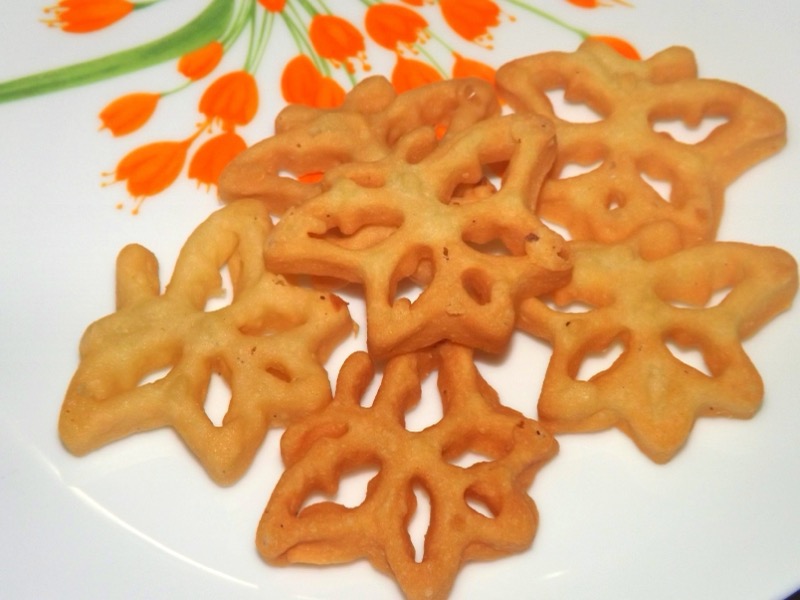 A crispy, deep-fried decorative wheel- or flower-shaped rosette sweet made of rice flour and coconut milk, essential to Sinhala and Tamil New Year festive tables.
## Origin
Likely originated from the Dutch word _koekjes_ (meaning cookies or biscuits) during Dutch colonial rule in Ceylon.
## Sources
- [Wikipedia: Kokis](https://en.wikipedia.org/wiki/Kokis)
---
# Kopi // කෝපි // கோப்பி
Sinhalese word for _coffee_.
## Origin
Introduced to the island during the Dutch and British colonial periods, derived from the Dutch word _koffie_.
## Sources
- [Wiktionary: koffie](https://en.wiktionary.org/wiki/koffie#Dutch)
---
# Koppaya // කෝප්පය // கோப்பை
Sinhalese word for _cup_.
## Origin
Likely originated from the Dutch word _kopje_ (diminutive of _kop_, meaning cup) or Portuguese _copo_.
## Sources
- [Wiktionary: kopje](https://en.wiktionary.org/wiki/kopje#Dutch)
---
# Kottu Roti // කොත්තු රොටී // கொத்து ரொட்டி
A crispy, deep-fried decorative wheel- or flower-shaped rosette sweet made of rice flour and coconut milk, essential to Sinhala and Tamil New Year festive tables.
## Origin
Likely originated from the Dutch word _koekjes_ (meaning cookies or biscuits) during Dutch colonial rule in Ceylon.
## Sources
- [Wikipedia: Kokis](https://en.wikipedia.org/wiki/Kokis)
---
# Kopi // කෝපි // கோப்பி
Sinhalese word for _coffee_.
## Origin
Introduced to the island during the Dutch and British colonial periods, derived from the Dutch word _koffie_.
## Sources
- [Wiktionary: koffie](https://en.wiktionary.org/wiki/koffie#Dutch)
---
# Koppaya // කෝප්පය // கோப்பை
Sinhalese word for _cup_.
## Origin
Likely originated from the Dutch word _kopje_ (diminutive of _kop_, meaning cup) or Portuguese _copo_.
## Sources
- [Wiktionary: kopje](https://en.wiktionary.org/wiki/kopje#Dutch)
---
# Kottu Roti // කොත්තු රොටී // கொத்து ரொட்டி
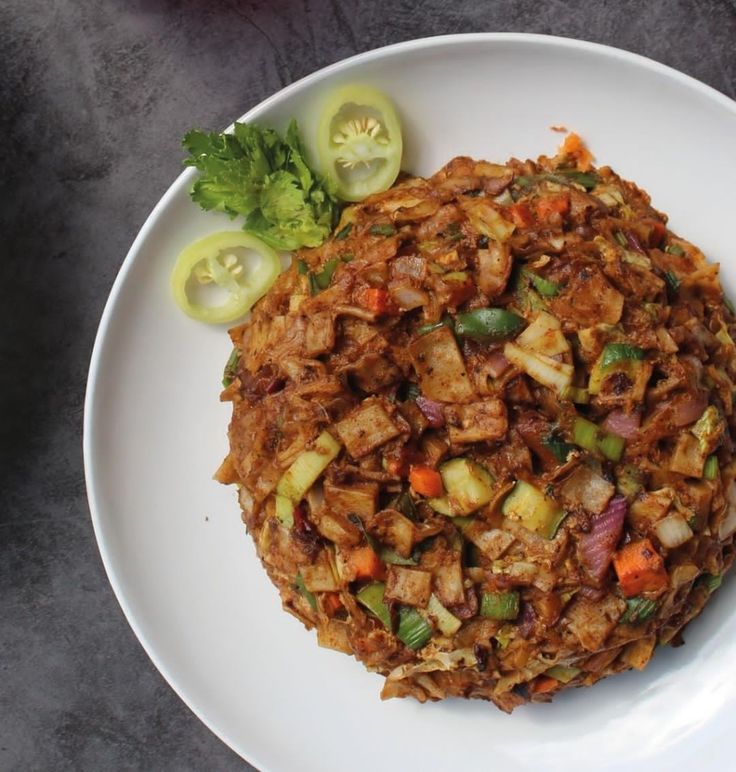 Kottu Roti (often referred to simply as Kottu) is the ultimate Sri Lankan street food. It is a dish that is as performance-art as it is cuisine, known for the rhythmic, metallic clatter of metal blades chopping the ingredients on a heated iron griddle.
## Origin
Kottu originated in Batticaloa in the eastern region of Sri Lanka in the late 1970s. It was created by local street vendors as an ingenious way to avoid food waste by shredding leftovers from the day's parotta (flatbread), mixing them with eggs, vegetables, aromatic spices, and a choice of meat curry (typically chicken, beef, or mutton). The word "Kottu" translates to "to chop" in Tamil, directly referencing the preparation method.
Over the decades, it evolved from a budget-friendly meal for the working class to a national culinary icon beloved by all walks of life.
## Sources
- [Wikipedia: Kottu](https://en.wikipedia.org/wiki/Kottu)
---
# Kuitansiya // ක්විටාන්සිය
Sinhalese word for _receipt_ or _proof of payment_.
## Origin
Likely originated from the Dutch word _kwitantie_ (meaning receipt).
## Sources
- [Wiktionary: kwitantie](https://en.wiktionary.org/wiki/kwitantie#Dutch)
---
# Kumeraya // කුමේරය
Sinhalese carpentry and building term for the _roof ridge_ or the mortar ridge capping (_kumēra bændīma_) sealing the crest of a tiled roof.
## Origin
Likely originated from the Portuguese word _cumeeira_ (meaning the ridge or ridgepole of a roof).
## Sources
- [Wiktionary: cumeeira](https://en.wiktionary.org/wiki/cumeeira#Portuguese)
---
# Kurusiya // කුරුසිය // குருசு
Sinhalese word for a religious _cross_ or _crucifix_.
## Origin
Introduced by Portuguese Catholic missionaries, derived from the Portuguese word _cruz_ (meaning cross).
## Sources
- [Wiktionary: cruz](https://en.wiktionary.org/wiki/cruz#Portuguese)
---
# Kussiya // කුස්සිය // குசினி
Sinhalese word for _kitchen_.
## Origin
Likely originated from the Portuguese word _cozinha_.
## Sources
- [Wiktionary: cozinha](https://en.wiktionary.org/wiki/cozinha#Portuguese)
---
# Laachchuwa // ලාච්චුව // லாச்சி
Sinhalese word for _drawer_ (in furniture).
## Origin
Likely originated from the Dutch word _laatje_ (diminutive of _lade_, meaning drawer).
## Sources
- [Wiktionary: lade](https://en.wiktionary.org/wiki/lade#Dutch)
---
# Lensuva // ලේන්සුව // லேஞ்சி
Sinhalese word for _handkerchief_.
## Origin
Likely originated from the Portuguese word _lenço_ (meaning handkerchief).
## Sources
- [Wiktionary: lenço](https://en.wiktionary.org/wiki/len%C3%A7o#Portuguese)
---
# Maalimawa // මාලිමාව // மாலுமி
Sinhalese word for a navigational _compass_.
## Origin
Originated from the Arabic word _mu'allim_ (معلم, meaning teacher or ship's master navigator). In Sinhala, the title of the navigator was applied to the compass itself.
## Sources
- [Wiktionary: معلم](https://en.wiktionary.org/wiki/%D9%85%D8%B9%D9%84%D9%85#Arabic)
---
# Mesaya // මේසය // மேசை
Sinhalese word for _table_.
## Origin
Likely originated from the Portuguese word _mesa_ (meaning table).
## Sources
- [Wiktionary: mesa](https://en.wiktionary.org/wiki/mesa#Portuguese)
---
# Mosam // මෝසම් // மௌசம்
Sinhalese word for _monsoon_ or _season_ (e.g., _mōsam sulang_, monsoon winds).
## Origin
Derived from the Arabic word _mawsim_ (موسم, meaning season), used by Arab sea merchants navigating Indian Ocean trade routes.
## Sources
- [Wiktionary: موسم](https://en.wiktionary.org/wiki/%D9%85%D9%88%D8%B3%D9%85#Arabic)
---
# Naththal // නත්තල් // நத்தார்
Sinhalese word for _Christmas_.
## Origin
Introduced by Portuguese missionaries, derived from the Portuguese word _Natal_ (meaning Christmas).
## Sources
- [Wiktionary: Natal](https://en.wiktionary.org/wiki/Natal#Portuguese)
---
# Neva // නැව
Sinhalese word for _ship_.
## Origin
Likely originated from the Portuguese word _navio_.
## Sources
- [Wiktionary: navio](https://en.wiktionary.org/wiki/navio#Portuguese)
---
# Notharis // නොතාරිස් // நொத்தாரிசு
Sinhalese word for a _notary public_.
## Origin
Likely originated from the Dutch word _notaris_ (meaning notary).
## Sources
- [Wiktionary: notaris](https://en.wiktionary.org/wiki/notaris#Dutch)
---
# Paan // පාන් // பாண்
Sinhalese word for _bread_, iconic in everyday Sri Lankan cuisine through crisp wood-fired "roast paan" and bakery tuk-tuks ("choon paan").
## Origin
Likely originated from the Portuguese word _pão_ (meaning bread).
## Sources
- [Wiktionary: pão](https://en.wiktionary.org/wiki/p%C3%A3o#Portuguese)
---
# Patis // පැටිස් // பற்றீஸ்
Kottu Roti (often referred to simply as Kottu) is the ultimate Sri Lankan street food. It is a dish that is as performance-art as it is cuisine, known for the rhythmic, metallic clatter of metal blades chopping the ingredients on a heated iron griddle.
## Origin
Kottu originated in Batticaloa in the eastern region of Sri Lanka in the late 1970s. It was created by local street vendors as an ingenious way to avoid food waste by shredding leftovers from the day's parotta (flatbread), mixing them with eggs, vegetables, aromatic spices, and a choice of meat curry (typically chicken, beef, or mutton). The word "Kottu" translates to "to chop" in Tamil, directly referencing the preparation method.
Over the decades, it evolved from a budget-friendly meal for the working class to a national culinary icon beloved by all walks of life.
## Sources
- [Wikipedia: Kottu](https://en.wikipedia.org/wiki/Kottu)
---
# Kuitansiya // ක්විටාන්සිය
Sinhalese word for _receipt_ or _proof of payment_.
## Origin
Likely originated from the Dutch word _kwitantie_ (meaning receipt).
## Sources
- [Wiktionary: kwitantie](https://en.wiktionary.org/wiki/kwitantie#Dutch)
---
# Kumeraya // කුමේරය
Sinhalese carpentry and building term for the _roof ridge_ or the mortar ridge capping (_kumēra bændīma_) sealing the crest of a tiled roof.
## Origin
Likely originated from the Portuguese word _cumeeira_ (meaning the ridge or ridgepole of a roof).
## Sources
- [Wiktionary: cumeeira](https://en.wiktionary.org/wiki/cumeeira#Portuguese)
---
# Kurusiya // කුරුසිය // குருசு
Sinhalese word for a religious _cross_ or _crucifix_.
## Origin
Introduced by Portuguese Catholic missionaries, derived from the Portuguese word _cruz_ (meaning cross).
## Sources
- [Wiktionary: cruz](https://en.wiktionary.org/wiki/cruz#Portuguese)
---
# Kussiya // කුස්සිය // குசினி
Sinhalese word for _kitchen_.
## Origin
Likely originated from the Portuguese word _cozinha_.
## Sources
- [Wiktionary: cozinha](https://en.wiktionary.org/wiki/cozinha#Portuguese)
---
# Laachchuwa // ලාච්චුව // லாச்சி
Sinhalese word for _drawer_ (in furniture).
## Origin
Likely originated from the Dutch word _laatje_ (diminutive of _lade_, meaning drawer).
## Sources
- [Wiktionary: lade](https://en.wiktionary.org/wiki/lade#Dutch)
---
# Lensuva // ලේන්සුව // லேஞ்சி
Sinhalese word for _handkerchief_.
## Origin
Likely originated from the Portuguese word _lenço_ (meaning handkerchief).
## Sources
- [Wiktionary: lenço](https://en.wiktionary.org/wiki/len%C3%A7o#Portuguese)
---
# Maalimawa // මාලිමාව // மாலுமி
Sinhalese word for a navigational _compass_.
## Origin
Originated from the Arabic word _mu'allim_ (معلم, meaning teacher or ship's master navigator). In Sinhala, the title of the navigator was applied to the compass itself.
## Sources
- [Wiktionary: معلم](https://en.wiktionary.org/wiki/%D9%85%D8%B9%D9%84%D9%85#Arabic)
---
# Mesaya // මේසය // மேசை
Sinhalese word for _table_.
## Origin
Likely originated from the Portuguese word _mesa_ (meaning table).
## Sources
- [Wiktionary: mesa](https://en.wiktionary.org/wiki/mesa#Portuguese)
---
# Mosam // මෝසම් // மௌசம்
Sinhalese word for _monsoon_ or _season_ (e.g., _mōsam sulang_, monsoon winds).
## Origin
Derived from the Arabic word _mawsim_ (موسم, meaning season), used by Arab sea merchants navigating Indian Ocean trade routes.
## Sources
- [Wiktionary: موسم](https://en.wiktionary.org/wiki/%D9%85%D9%88%D8%B3%D9%85#Arabic)
---
# Naththal // නත්තල් // நத்தார்
Sinhalese word for _Christmas_.
## Origin
Introduced by Portuguese missionaries, derived from the Portuguese word _Natal_ (meaning Christmas).
## Sources
- [Wiktionary: Natal](https://en.wiktionary.org/wiki/Natal#Portuguese)
---
# Neva // නැව
Sinhalese word for _ship_.
## Origin
Likely originated from the Portuguese word _navio_.
## Sources
- [Wiktionary: navio](https://en.wiktionary.org/wiki/navio#Portuguese)
---
# Notharis // නොතාරිස් // நொத்தாரிசு
Sinhalese word for a _notary public_.
## Origin
Likely originated from the Dutch word _notaris_ (meaning notary).
## Sources
- [Wiktionary: notaris](https://en.wiktionary.org/wiki/notaris#Dutch)
---
# Paan // පාන් // பாண்
Sinhalese word for _bread_, iconic in everyday Sri Lankan cuisine through crisp wood-fired "roast paan" and bakery tuk-tuks ("choon paan").
## Origin
Likely originated from the Portuguese word _pão_ (meaning bread).
## Sources
- [Wiktionary: pão](https://en.wiktionary.org/wiki/p%C3%A3o#Portuguese)
---
# Patis // පැටිස් // பற்றீஸ்
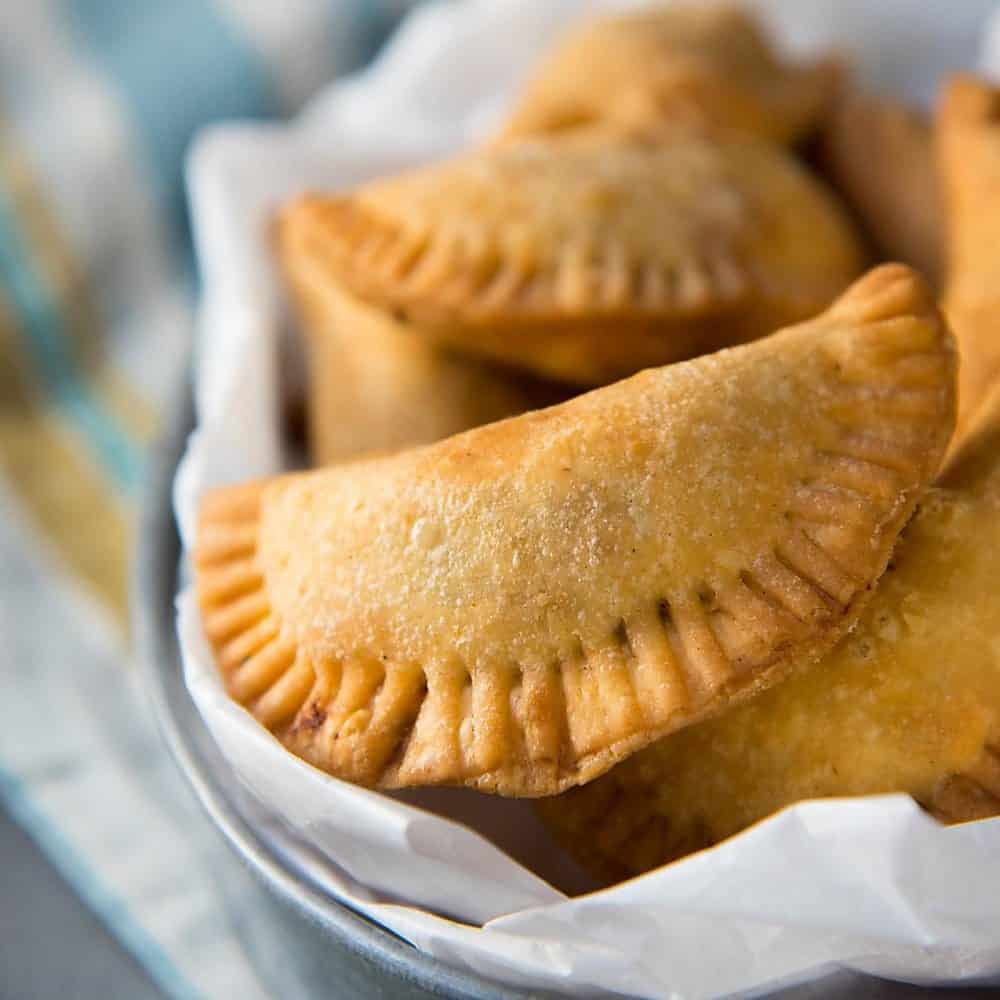 A favorite Sri Lankan bakery turnover pastry filled with spiced fish or potato, crimped into half-moon shapes, and deep-fried or baked.
## Origin
While the name was borrowed from English _patties_, the stuffed pastry format was influenced by European predecessors such as Portuguese _empadas_.
## Sources
- [Wikipedia: Curry puff](https://en.wikipedia.org/wiki/Curry_puff)
---
# Pikudu // පීකුදු
Sinhalese word for _liver_ (meat).
## Origin
Likely originated from the Portuguese word _fígado_ (meaning liver).
## Sources
- [Wiktionary: fígado](https://en.wiktionary.org/wiki/f%C3%ADgado#Portuguese)
---
# Pinthoora // පින්තූර
Sinhalese word for _painting_.
## Origin
Likely originated from the Portuguese word _pintura_.
## Sources
- [Wiktionary: pintura](https://en.wiktionary.org/wiki/pintura#Portuguese)
---
# Pistholaya // පිස්තෝලය
Sinhalese word for _pistol_.
## Origin
Likely originated from the Portuguese word _pistola_.
## Sources
- [Wiktionary: pistola](https://en.wiktionary.org/wiki/pistola#Portuguese)
---
# Poleesiya // පොලීසිය
Sinhalese word for _police_.
## Origin
Likely originated from the Dutch word _politie_ (meaning police), later reinforced by the British administration.
## Sources
- [Wiktionary: politie](https://en.wiktionary.org/wiki/politie#Dutch)
---
# Porowa // පොරොව
Sinhalese word for the _Queen_ in playing cards.
## Origin
Likely originated from the Dutch word _vrouw_ (meaning woman, lady, or Queen in cards).
## Sources
- [Wiktionary: vrouw](https://en.wiktionary.org/wiki/vrouw#Dutch)
---
# Raakkaya // රාක්කය // ராக்கை
Sinhalese word for a _rack_ or _shelf_.
## Origin
Likely originated from the Dutch word _rek_ (meaning rack or shelf).
## Sources
- [Wiktionary: rek](https://en.wiktionary.org/wiki/rek#Dutch)
---
# Raaththala // රාත්තල // ராத்தல்
Sinhalese word for a _pound_ (unit of weight, approx. 450 grams).
## Origin
Originated from the medieval Arabic unit of weight _ratl_ (رطل), widely used in Indian Ocean spice and gem trading.
## Sources
- [Wiktionary: رطل](https://en.wiktionary.org/wiki/%D8%B1%D8%B7%D9%84#Arabic)
---
# Rabana // රබාන // றபான்
A favorite Sri Lankan bakery turnover pastry filled with spiced fish or potato, crimped into half-moon shapes, and deep-fried or baked.
## Origin
While the name was borrowed from English _patties_, the stuffed pastry format was influenced by European predecessors such as Portuguese _empadas_.
## Sources
- [Wikipedia: Curry puff](https://en.wikipedia.org/wiki/Curry_puff)
---
# Pikudu // පීකුදු
Sinhalese word for _liver_ (meat).
## Origin
Likely originated from the Portuguese word _fígado_ (meaning liver).
## Sources
- [Wiktionary: fígado](https://en.wiktionary.org/wiki/f%C3%ADgado#Portuguese)
---
# Pinthoora // පින්තූර
Sinhalese word for _painting_.
## Origin
Likely originated from the Portuguese word _pintura_.
## Sources
- [Wiktionary: pintura](https://en.wiktionary.org/wiki/pintura#Portuguese)
---
# Pistholaya // පිස්තෝලය
Sinhalese word for _pistol_.
## Origin
Likely originated from the Portuguese word _pistola_.
## Sources
- [Wiktionary: pistola](https://en.wiktionary.org/wiki/pistola#Portuguese)
---
# Poleesiya // පොලීසිය
Sinhalese word for _police_.
## Origin
Likely originated from the Dutch word _politie_ (meaning police), later reinforced by the British administration.
## Sources
- [Wiktionary: politie](https://en.wiktionary.org/wiki/politie#Dutch)
---
# Porowa // පොරොව
Sinhalese word for the _Queen_ in playing cards.
## Origin
Likely originated from the Dutch word _vrouw_ (meaning woman, lady, or Queen in cards).
## Sources
- [Wiktionary: vrouw](https://en.wiktionary.org/wiki/vrouw#Dutch)
---
# Raakkaya // රාක්කය // ராக்கை
Sinhalese word for a _rack_ or _shelf_.
## Origin
Likely originated from the Dutch word _rek_ (meaning rack or shelf).
## Sources
- [Wiktionary: rek](https://en.wiktionary.org/wiki/rek#Dutch)
---
# Raaththala // රාත්තල // ராத்தல்
Sinhalese word for a _pound_ (unit of weight, approx. 450 grams).
## Origin
Originated from the medieval Arabic unit of weight _ratl_ (رطل), widely used in Indian Ocean spice and gem trading.
## Sources
- [Wiktionary: رطل](https://en.wiktionary.org/wiki/%D8%B1%D8%B7%D9%84#Arabic)
---
# Rabana // රබාන // றபான்
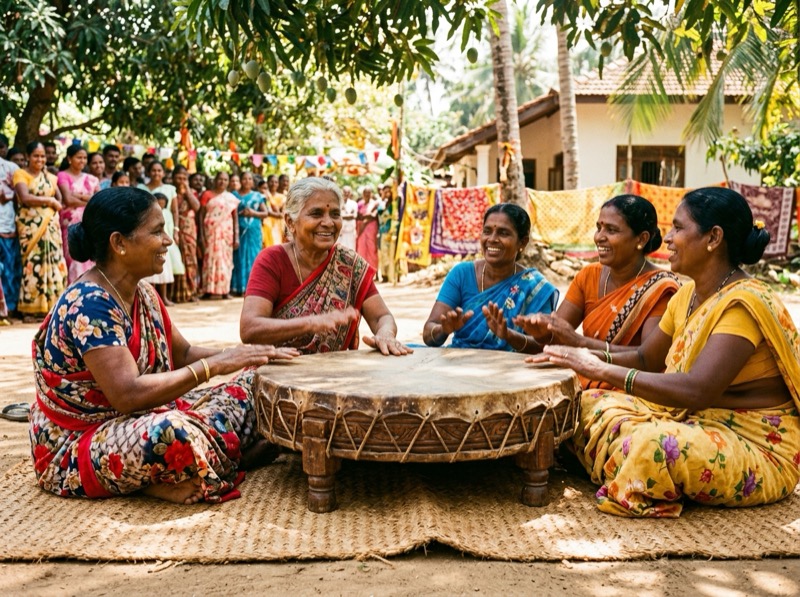 A traditional circular one-sided frame drum. The large bench-mounted _banku rabana_ is warmed over hot embers and played communally by women singing rhythmic folk verses (_raban pada_) during the New Year.
## Origin
Brought to Sri Lanka via the Malay community, derived from the Malay frame drum _rebana_ (ultimately tracing to Arabic _Rabbana_).
## Sources
- [Wikipedia: Rebana](https://en.wikipedia.org/wiki/Rebana)
---
# Rambutan // රඹුටන් // ரம்புட்டான்
A popular Sri Lankan tropical fruit with a hairy red peel and sweet, juicy translucent pulp.
## Origin
Introduced from Southeast Asia, derived from the Malay word _rambutan_ (from _rambut_, meaning hair).
## Sources
- [Wikipedia: Rambutan](https://en.wikipedia.org/wiki/Rambutan)
---
# Ranchuva // රංචුව
Sinhalese word for a _group_, _crowd_, or _pack_.
## Origin
Likely originated from the Portuguese word _rancho_ (meaning mess-group or band).
## Sources
- [Wiktionary: rancho](https://en.wiktionary.org/wiki/rancho#Portuguese)
---
# Rodaya // රෝදය // ரோதை
Sinhalese word for _wheel_.
## Origin
Likely originated from the Portuguese word _roda_.
## Sources
- [Wiktionary: roda](https://en.wiktionary.org/wiki/roda#Portuguese)
---
# Ronde Gaseema // රෝන්දේ ගැසීම
Sinhalese phrase loosly meaning to walk around and about.
## Origin
Likely originated from the Portuguese word _ronda_ (meaning to patrol an area). The phrase may have entered the local vernacular in reference to Portuguese soldiers conducting patrols around strategic sites.
## Sources
- [Wiktionary: ronda](https://en.wiktionary.org/wiki/ronda#Portuguese)
---
# Ruitha // රුයිත
Sinhalese word for the _Diamonds_ suit in playing cards.
## Origin
Likely originated from the Dutch word _ruiten_ (meaning diamonds in cards).
## Sources
- [Wiktionary: ruit](https://en.wiktionary.org/wiki/ruit#Dutch)
---
# Saaya // සාය
Sinhalese word for _skirt_.
## Origin
Likely originated from the Portuguese word _saia_.
## Sources
- [Wiktionary: saia](https://en.wiktionary.org/wiki/saia#Portuguese)
---
# Saban // සබන් // சாபன்
Sinhalese word for _soap_.
## Origin
Introduced early by Arab merchants via Arabic _ṣābūn_ (صابون) and reinforced by the Portuguese word _sabão_.
## Sources
- [Wiktionary: sabão](https://en.wiktionary.org/wiki/sab%C3%A3o#Portuguese)
---
# Salava // සාලාව
Sinhalese word for _hall_.
## Origin
Likely originated from the Portuguese word _salão_.
## Sources
- [Wiktionary: salão](https://en.wiktionary.org/wiki/sal%C3%A3o#Portuguese)
---
# Sambol // සම්බෝල // சம்பல்
A traditional circular one-sided frame drum. The large bench-mounted _banku rabana_ is warmed over hot embers and played communally by women singing rhythmic folk verses (_raban pada_) during the New Year.
## Origin
Brought to Sri Lanka via the Malay community, derived from the Malay frame drum _rebana_ (ultimately tracing to Arabic _Rabbana_).
## Sources
- [Wikipedia: Rebana](https://en.wikipedia.org/wiki/Rebana)
---
# Rambutan // රඹුටන් // ரம்புட்டான்
A popular Sri Lankan tropical fruit with a hairy red peel and sweet, juicy translucent pulp.
## Origin
Introduced from Southeast Asia, derived from the Malay word _rambutan_ (from _rambut_, meaning hair).
## Sources
- [Wikipedia: Rambutan](https://en.wikipedia.org/wiki/Rambutan)
---
# Ranchuva // රංචුව
Sinhalese word for a _group_, _crowd_, or _pack_.
## Origin
Likely originated from the Portuguese word _rancho_ (meaning mess-group or band).
## Sources
- [Wiktionary: rancho](https://en.wiktionary.org/wiki/rancho#Portuguese)
---
# Rodaya // රෝදය // ரோதை
Sinhalese word for _wheel_.
## Origin
Likely originated from the Portuguese word _roda_.
## Sources
- [Wiktionary: roda](https://en.wiktionary.org/wiki/roda#Portuguese)
---
# Ronde Gaseema // රෝන්දේ ගැසීම
Sinhalese phrase loosly meaning to walk around and about.
## Origin
Likely originated from the Portuguese word _ronda_ (meaning to patrol an area). The phrase may have entered the local vernacular in reference to Portuguese soldiers conducting patrols around strategic sites.
## Sources
- [Wiktionary: ronda](https://en.wiktionary.org/wiki/ronda#Portuguese)
---
# Ruitha // රුයිත
Sinhalese word for the _Diamonds_ suit in playing cards.
## Origin
Likely originated from the Dutch word _ruiten_ (meaning diamonds in cards).
## Sources
- [Wiktionary: ruit](https://en.wiktionary.org/wiki/ruit#Dutch)
---
# Saaya // සාය
Sinhalese word for _skirt_.
## Origin
Likely originated from the Portuguese word _saia_.
## Sources
- [Wiktionary: saia](https://en.wiktionary.org/wiki/saia#Portuguese)
---
# Saban // සබන් // சாபன்
Sinhalese word for _soap_.
## Origin
Introduced early by Arab merchants via Arabic _ṣābūn_ (صابون) and reinforced by the Portuguese word _sabão_.
## Sources
- [Wiktionary: sabão](https://en.wiktionary.org/wiki/sab%C3%A3o#Portuguese)
---
# Salava // සාලාව
Sinhalese word for _hall_.
## Origin
Likely originated from the Portuguese word _salão_.
## Sources
- [Wiktionary: salão](https://en.wiktionary.org/wiki/sal%C3%A3o#Portuguese)
---
# Sambol // සම්බෝල // சம்பல்
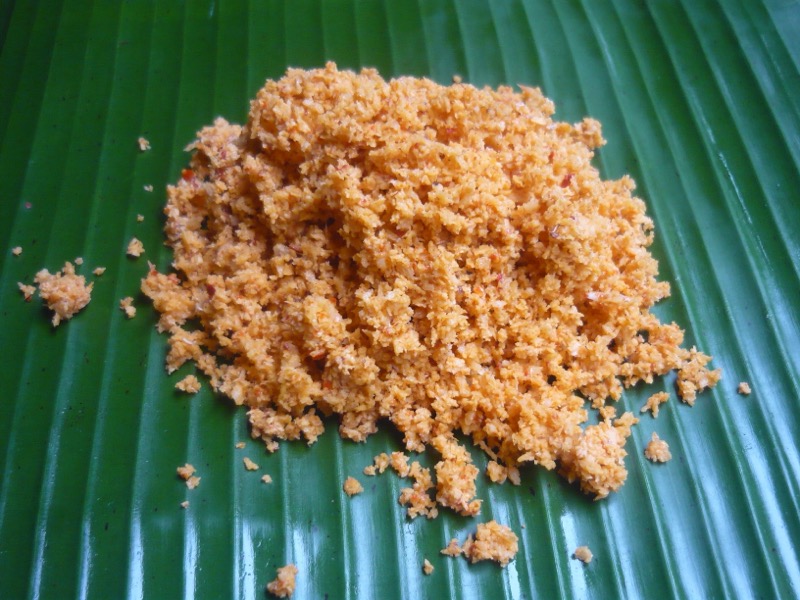 The iconic spicy Sri Lankan relish or condiment, most famously _Pol Sambol_ made from freshly grated coconut pounded with red chili, red onion, Maldive fish, and lime juice.
## Origin
Introduced by the Sri Lankan Malay community, originating from the Malay and Indonesian condiment _sambal_.
## Sources
- [Wikipedia: Sambal](https://en.wikipedia.org/wiki/Sambal)
---
# Sapaththu // සපත්තු // சப்பாத்து
Sinhalese word for _shoes_.
## Origin
Likely originated from the Portuguese word _sapato_.
## Sources
- [Wiktionary: sapato](https://en.wiktionary.org/wiki/sapato#Portuguese)
---
# Sarama // සරම // சாரம்
The iconic spicy Sri Lankan relish or condiment, most famously _Pol Sambol_ made from freshly grated coconut pounded with red chili, red onion, Maldive fish, and lime juice.
## Origin
Introduced by the Sri Lankan Malay community, originating from the Malay and Indonesian condiment _sambal_.
## Sources
- [Wikipedia: Sambal](https://en.wikipedia.org/wiki/Sambal)
---
# Sapaththu // සපත්තු // சப்பாத்து
Sinhalese word for _shoes_.
## Origin
Likely originated from the Portuguese word _sapato_.
## Sources
- [Wiktionary: sapato](https://en.wiktionary.org/wiki/sapato#Portuguese)
---
# Sarama // සරම // சாரம்
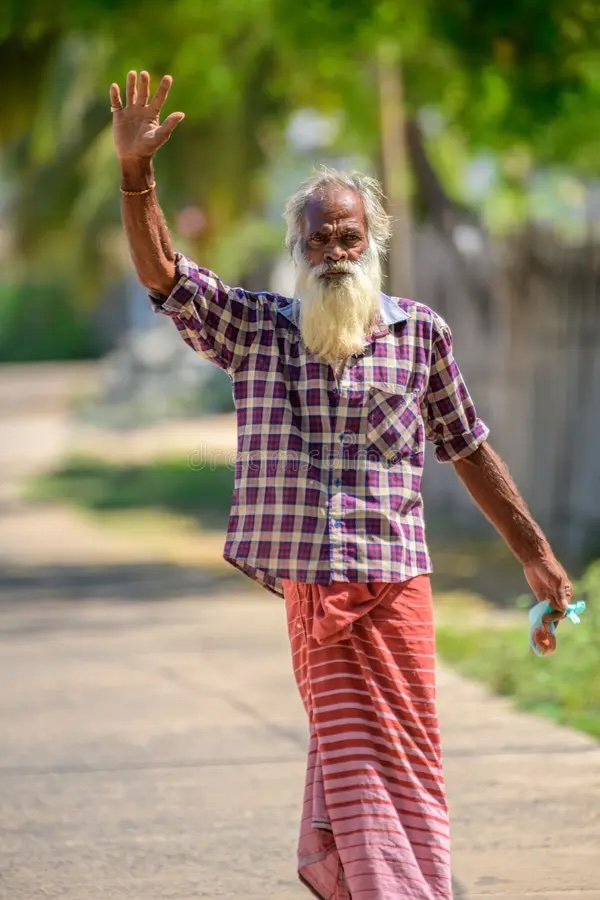 The quintessential everyday tubular lower garment worn by Sri Lankan men, tied at the waist and commonly made from woven cotton or batik cloth.
## Origin
Introduced through centuries of maritime contact with the Malay archipelago, derived from the Malay word _sarung_ (meaning sheath or covering).
## Sources
- [Wiktionary: sarung](https://en.wiktionary.org/wiki/sarung#Malay)
---
# Seenakku // සීනක්කු // சீனாக்கு
A traditional Sri Lankan Malay steamed sweet cupcake made with rice flour and jaggery, dimpled in the center and served with fresh grated coconut.
## Origin
Introduced by the Sri Lankan Malay community, from the Malay _cina-kueh_ (literally "Chinese cake").
## Sources
- [Wikipedia: Nian gao](https://en.wikipedia.org/wiki/Nian_gao)
---
# Thabaruma // තැබෑරුම // தவரணை
Sinhalese word for a _tavern_ or _pub_.
## Origin
Likely originated from the Portuguese word _taberna_ (meaning tavern).
## Sources
- [Wiktionary: taberna](https://en.wiktionary.org/wiki/taberna#Portuguese)
---
# Tharappuwa // තරප්පුව
Sinhalese word for a _staircase_ or _flight of steps_.
## Origin
Likely originated from the Dutch word _trap_ (meaning stairs or flight of steps).
## Sources
- [Wiktionary: trap](https://en.wiktionary.org/wiki/trap#Dutch)
---
# Theentha // තීන්ත
Sinhalese word for _paint_ or _ink_.
## Origin
Likely originated from the Portuguese word _tinta_.
## Sources
- [Wiktionary: tinta](https://en.wiktionary.org/wiki/tinta#Portuguese)
---
# Veeduru // වීදුරු // வீதுரு
Sinhalese word for _glass_.
## Origin
Likely originated from the Portuguese word _vidro_.
## Sources
- [Wiktionary: vidro](https://en.wiktionary.org/wiki/vidro#Portuguese)
---
# Vendesiya // වෙන්දේසිය // வெந்தேசி
Sinhalese word for an _auction_.
## Origin
Likely originated from the Dutch word _vendutie_ (meaning auction sale).
## Sources
- [Wiktionary: vendutie](https://en.wiktionary.org/wiki/vendutie#Dutch)
---
# Vinakiri // විනාකිරි // வினாகிரி
Sinhalese word for _vinegar_.
## Origin
Introduced through European pickling and cooking methods, derived from the Portuguese word _vinagre_.
## Sources
- [Wiktionary: vinagre](https://en.wiktionary.org/wiki/vinagre#Portuguese)
---
# Wattalapam // වටලප්පම් // வட்டிலப்பம்
The quintessential everyday tubular lower garment worn by Sri Lankan men, tied at the waist and commonly made from woven cotton or batik cloth.
## Origin
Introduced through centuries of maritime contact with the Malay archipelago, derived from the Malay word _sarung_ (meaning sheath or covering).
## Sources
- [Wiktionary: sarung](https://en.wiktionary.org/wiki/sarung#Malay)
---
# Seenakku // සීනක්කු // சீனாக்கு
A traditional Sri Lankan Malay steamed sweet cupcake made with rice flour and jaggery, dimpled in the center and served with fresh grated coconut.
## Origin
Introduced by the Sri Lankan Malay community, from the Malay _cina-kueh_ (literally "Chinese cake").
## Sources
- [Wikipedia: Nian gao](https://en.wikipedia.org/wiki/Nian_gao)
---
# Thabaruma // තැබෑරුම // தவரணை
Sinhalese word for a _tavern_ or _pub_.
## Origin
Likely originated from the Portuguese word _taberna_ (meaning tavern).
## Sources
- [Wiktionary: taberna](https://en.wiktionary.org/wiki/taberna#Portuguese)
---
# Tharappuwa // තරප්පුව
Sinhalese word for a _staircase_ or _flight of steps_.
## Origin
Likely originated from the Dutch word _trap_ (meaning stairs or flight of steps).
## Sources
- [Wiktionary: trap](https://en.wiktionary.org/wiki/trap#Dutch)
---
# Theentha // තීන්ත
Sinhalese word for _paint_ or _ink_.
## Origin
Likely originated from the Portuguese word _tinta_.
## Sources
- [Wiktionary: tinta](https://en.wiktionary.org/wiki/tinta#Portuguese)
---
# Veeduru // වීදුරු // வீதுரு
Sinhalese word for _glass_.
## Origin
Likely originated from the Portuguese word _vidro_.
## Sources
- [Wiktionary: vidro](https://en.wiktionary.org/wiki/vidro#Portuguese)
---
# Vendesiya // වෙන්දේසිය // வெந்தேசி
Sinhalese word for an _auction_.
## Origin
Likely originated from the Dutch word _vendutie_ (meaning auction sale).
## Sources
- [Wiktionary: vendutie](https://en.wiktionary.org/wiki/vendutie#Dutch)
---
# Vinakiri // විනාකිරි // வினாகிரி
Sinhalese word for _vinegar_.
## Origin
Introduced through European pickling and cooking methods, derived from the Portuguese word _vinagre_.
## Sources
- [Wiktionary: vinagre](https://en.wiktionary.org/wiki/vinagre#Portuguese)
---
# Wattalapam // වටලප්පම් // வட்டிலப்பம்
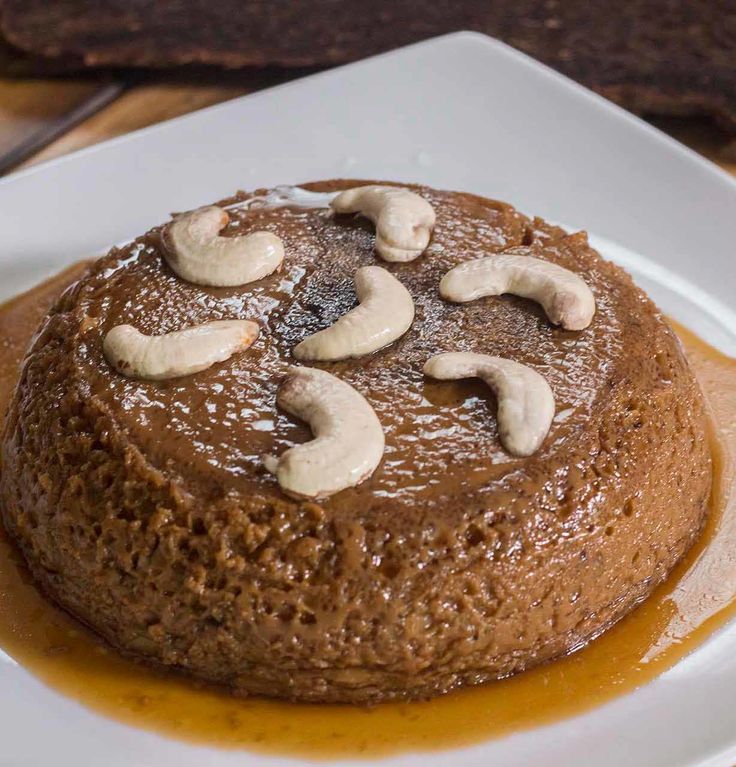 Wattalapam is a rich, spiced coconut custard pudding sweetened with dark kithul jaggery and spiced with cardamom, nutmeg, and cloves, garnished with cashew nuts.
## Origin
Wattalapam is a legacy of the Sri Lankan Malay community, who arrived on the island from the Indonesian archipelago during the Dutch and British colonial periods. The dish is believed to have evolved from the Indonesian custard *Serikaya*. The name itself is thought to have Tamil roots, derived from *Vattil-appam* (meaning cup-cake/dessert), which is likely given the historic use of Tamil as the link language in and around Colombo Fort.
This dish showcases the adaptation of immigrant recipes using indigenous Sri Lankan ingredients, specifically *Kithul Jaggery* (sap from the fishtail palm tree) instead of cane sugar, giving it a unique caramel-like depth.
## Sources
- [Wikipedia: Watalappam](https://en.wikipedia.org/wiki/Watalappam)
Wattalapam is a rich, spiced coconut custard pudding sweetened with dark kithul jaggery and spiced with cardamom, nutmeg, and cloves, garnished with cashew nuts.
## Origin
Wattalapam is a legacy of the Sri Lankan Malay community, who arrived on the island from the Indonesian archipelago during the Dutch and British colonial periods. The dish is believed to have evolved from the Indonesian custard *Serikaya*. The name itself is thought to have Tamil roots, derived from *Vattil-appam* (meaning cup-cake/dessert), which is likely given the historic use of Tamil as the link language in and around Colombo Fort.
This dish showcases the adaptation of immigrant recipes using indigenous Sri Lankan ingredients, specifically *Kithul Jaggery* (sap from the fishtail palm tree) instead of cane sugar, giving it a unique caramel-like depth.
## Sources
- [Wikipedia: Watalappam](https://en.wikipedia.org/wiki/Watalappam)